Mountain Freight • Route Engineering

Mountain Access & Transport Logistics

Supplying a resort community and high-altitude restaurant chain is an unforgiving logistics exercise. Steep grades, sudden black ice, avalanche road closures, and narrow freight lift windows demand disciplined scheduling and realistic contingency staging.

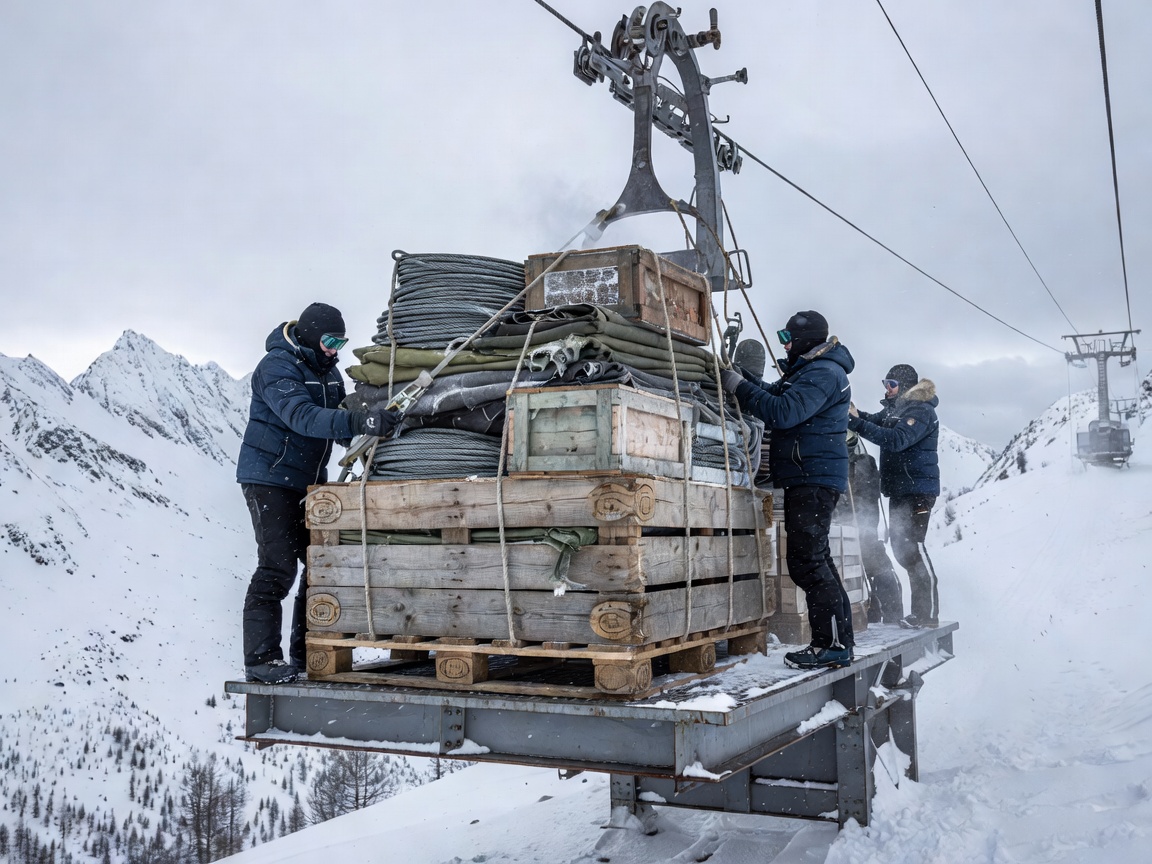
Material cargo pallet being secured onto an alpine material ropeway carriage
Material Transport
Freight Ropeways • Early Morning Windows

Ropeway Material Freight & Cargo Cages

Moving pallets of beverages, dry goods, and replacement parts to altitude is most cost-effective using standard lift systems before passenger hours. Specialized cargo carriers fit into the same grip system as passenger cabins, running between 06:00 and 07:30.

Strict loading protocols govern payload weight distribution. Off-center cargo shifts during line accelerations will trip tower misalignment sensors, shutting down the ropeway right when morning launch timing is most critical.

Payload Balance Grip Carrier Swaps Pre-Opening Run Slots
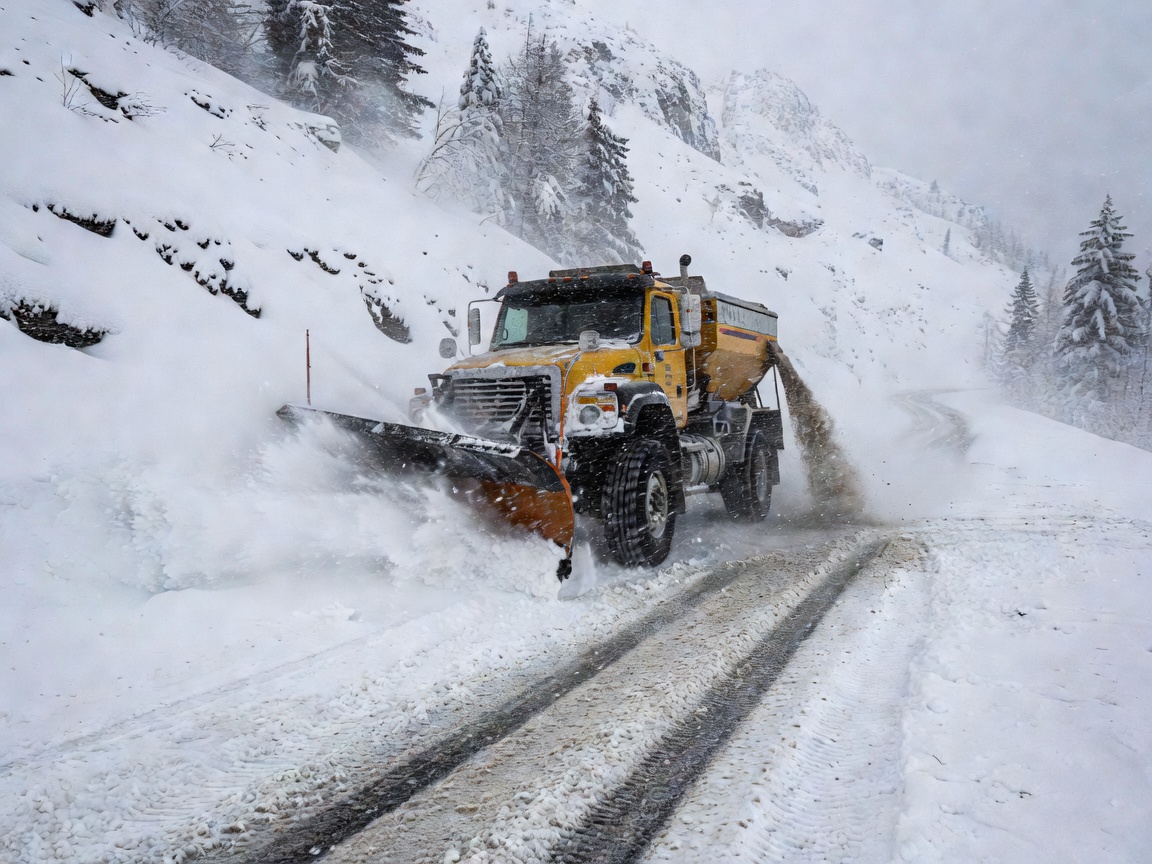
Heavy duty all-wheel drive salt and plow truck clearing fresh snow on mountain road
Pass Management
Road Infrastructure • Pass Chains & Clearing

Road Access Management & Fleet Coordination

A single articulated lorry without snow chains stuck on a 14% grade switchback will paralyze resort access for five hours. Clear chain-enforcement checkpoints at the valley floor are mandatory whenever snowfall exceeds 5cm per hour.

Plough sweeps must synchronize with municipal transit schedules. Leading heavy snowploughs ahead of public coach convoys prevents passenger buses from being stranded in drift accumulation zones on north-facing cuts.

Chain Checkpoints Switchback Clearing Convoys & Escorts
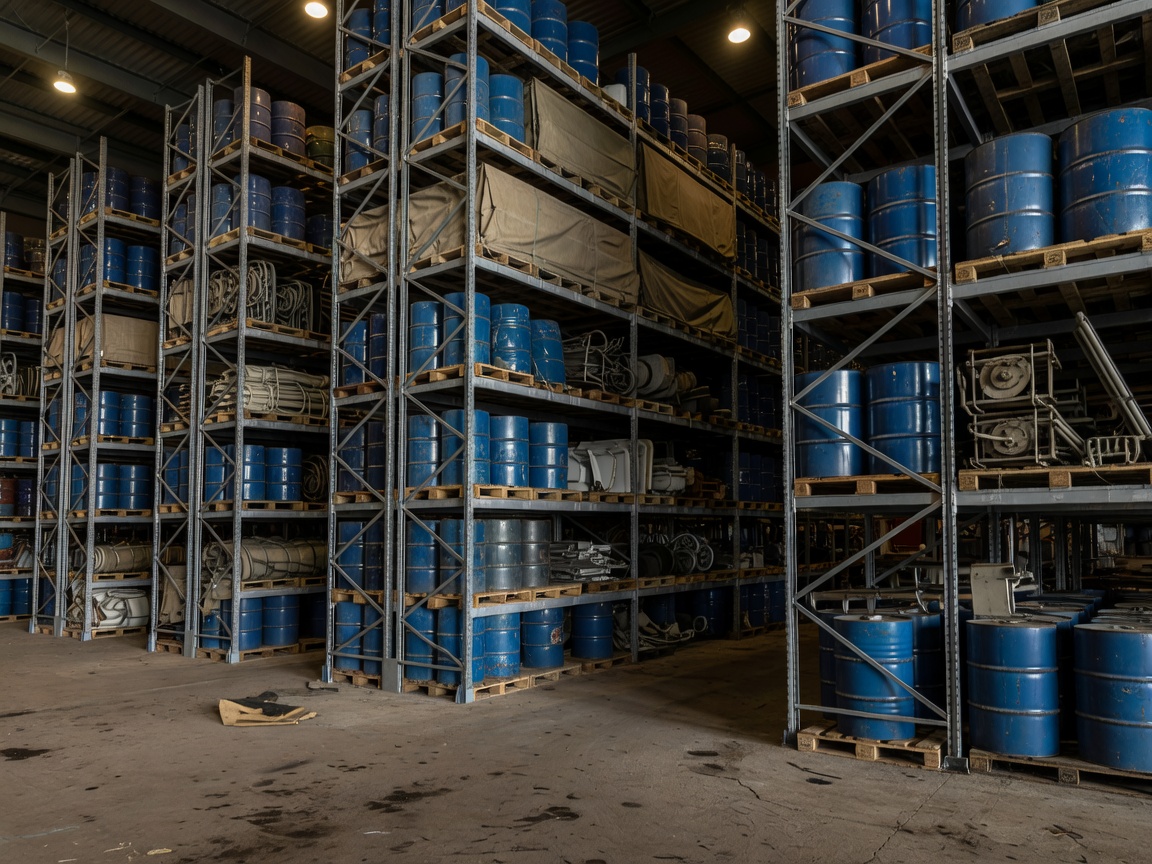
High altitude warehouse pallet racks stacked with reserve hydraulic oil barrels and spare resort components
Buffer Inventory
Supply Buffers • Weather Isolation Defense

Summit Staging & Severe Weather Isolation

European alpine storms can lock down high passes for 48 to 72 hours without warning. High-altitude restaurants and maintenance outposts must maintain mandatory buffer reserves: non-potable greywater, fuel oil, medical oxygen, and shelf-stable foods.

For mechanical teams, storing critical high-wear parts—hydraulic lines, terminal microswitches, solenoid coils—at the top station eliminates relying on snowcat transfer through zero-visibility whiteouts.

72-Hour Self-Sufficiency Redundant Parts Vault Fuel Reserves

Managing Mountain Supply Chains Without Chaos

Valley-to-resort logistics are complicated by three inescapable physical constraints: steep gradients that limit axle weights, sharp hairpin radius turns that exclude standard long trailers, and volatile weather windows that compress delivery schedules into narrow slots.

The Three Golden Rules of Alpine Freight

  1. Never dispatch single unverified carriers: If a contracted delivery driver lacks experience fitting snow chains to dual rear axles, their vehicle will become an anchor on the first steep incline. Every incoming supplier must confirm mountain-rated equipment before leaving the valley freight depot.
  2. Consolidate at the valley floor: Long-haul freight vehicles should terminate at a consolidated valley logistics staging area. Here, cargo is sorted and transferred to short-wheelbase, all-wheel-drive local delivery trucks or staged for freight lift cabins.
  3. Synchronize with piste grooming: If goods must be hauled across pistes to isolated mountain huts via snowcats, that movement must happen immediately after the evening sweep or prior to morning corduroy grooming. Driving tracks over fresh corduroy ruins ski conditions for the entire following day.

Cold-Weather Fuel Management

Standard summer diesel fuels will begin to cloud and wax at -5°C, instantly clogging fuel filters. Mountain logistics fleets must switch to alpine-grade winter diesel (often rated down to -28°C) by late October. Vehicle depot fuel storage tanks must be checked weekly for condensation water accumulation; even 20ml of water in a fuel separator bowl can freeze solid, halting an entire morning plow run.

Contingency Flow: Road Closure Escalation

When an avalanche alert triggers a mountain road closure, the logistics plan must shift automatically:

  • Phase Alpha (Road Warning): Non-essential commercial freight is halted. Priority is given to fuel tankers, perishable culinary supplies, and emergency service vehicles.
  • Phase Bravo (Hard Road Closure): Mountain freight transfers exclusively to ropeways. Stations implement scheduled cargo runs, pausing uphill passenger boarding for 15 minutes to load palletized essentials.
  • Phase Charlie (Severe Storm / Lift Hold): Total access shutdown. Stations shift to internal stored reserves. All personnel follow shelter-in-place protocols until avalanche mitigation teams clear the chutes.

Refining mountain freight corridors?

Reach out to our logistics coordination desk to discuss fleet staging, valley consolidation models, and extreme-weather buffer planning.