Pre-Season Playbook • Turnaround Phase

Seasonal Preparation & Launch Readiness

Opening day is won or lost between September and November. Piste earthworks, tower foam padding, drainage culvert clearing, staff lift evacuation simulations, and avalanche control testing must conclude before the ground freezes solid.

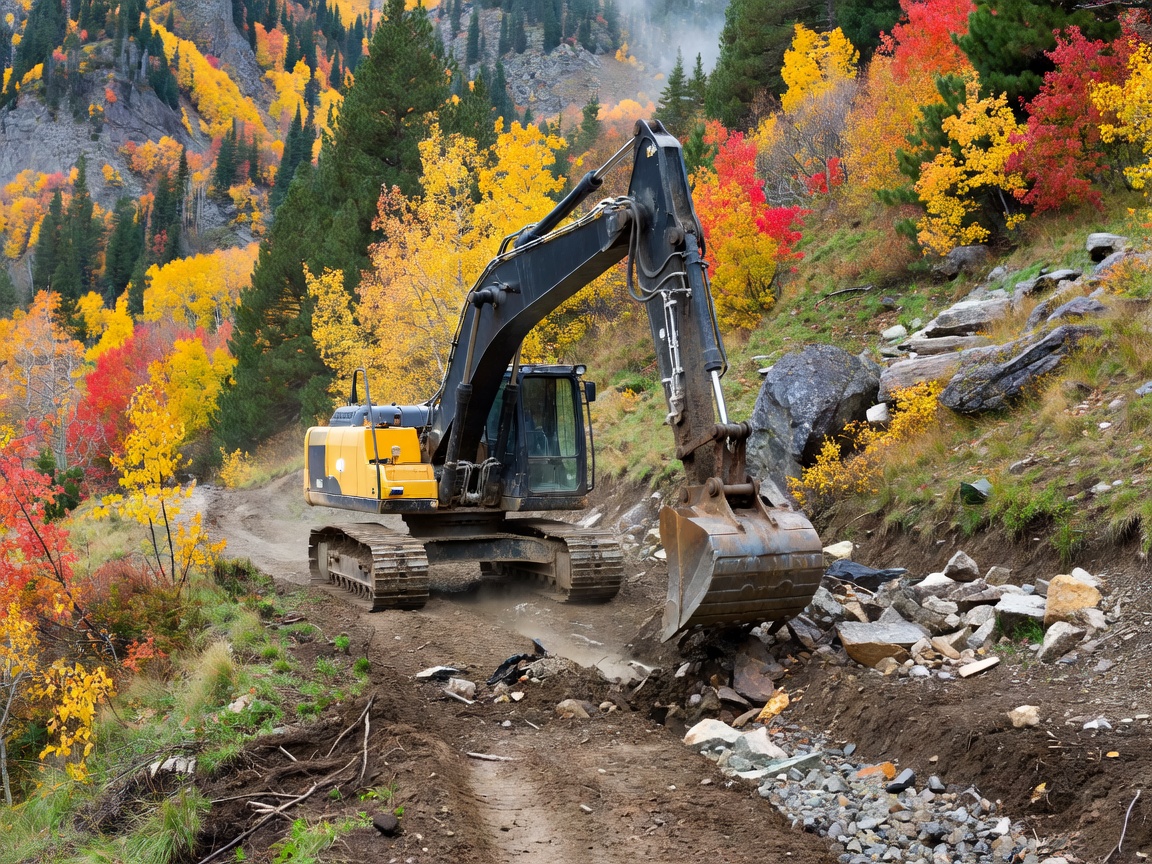
Excavator smoothing ski trail drainage ditch and clearing alpine rocks on autumn mountain
Terrain Engineering
Piste Groundwork • Pre-Snow Grading

Drainage Culverts & Trail Smoothing

Every rock protruding 30cm above the trail bed requires 40cm of snow cover to groom safely. Smoothing summer ruts, seeding grass to bind topsoil, and clearing mountain water drainage channels prevents water from pooling under early-season snowpack and creating hollow ice crusts.

Crews also stake out snowmaking hydrant lines, blowdown markers, and trail boundary anchor points before winter storms conceal natural reference landmarks.

Culvert Clearing Soil Stabilization Hydrant Marking
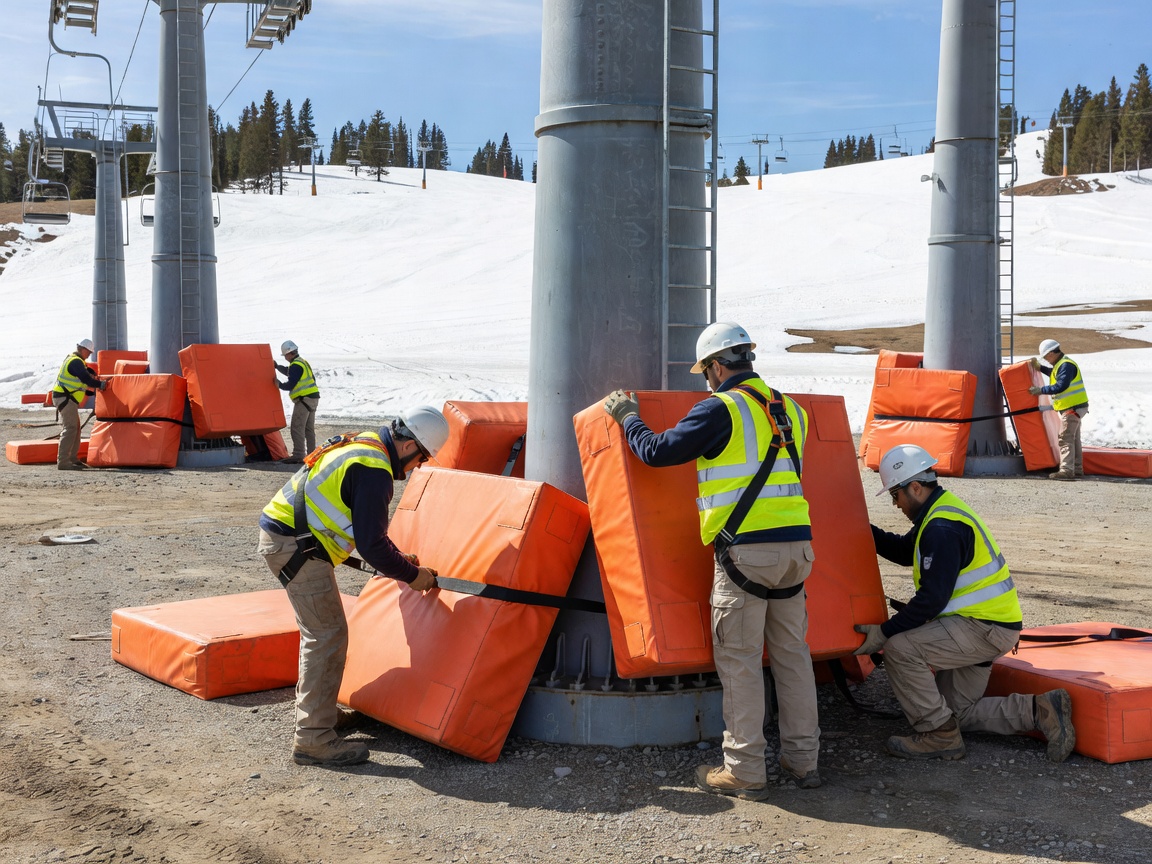
Resort safety crew securing heavy-duty orange impact pads around steel lift towers
Slope Safety
Impact Mitigation • A-Netting & Tower Padding

Lift Tower Padding & Boundary Fencing

High-density foam tower pads must be hauled to the mountain and secured with cold-rated ratchets before temperatures drop below zero. Once PVC shells freeze stiff, cinching them tightly against steel masts without cracking the vinyl becomes nearly impossible.

High-risk run-out zones require Type-A and Type-B catch netting. Staking fiberglass or steel support poles into unfrozen ground in October avoids the tedious work of percussion-drilling into frozen bedrock during mid-December snowstorms.

Impact Foam Rigging Catch Net Staking FIS Compliance Check
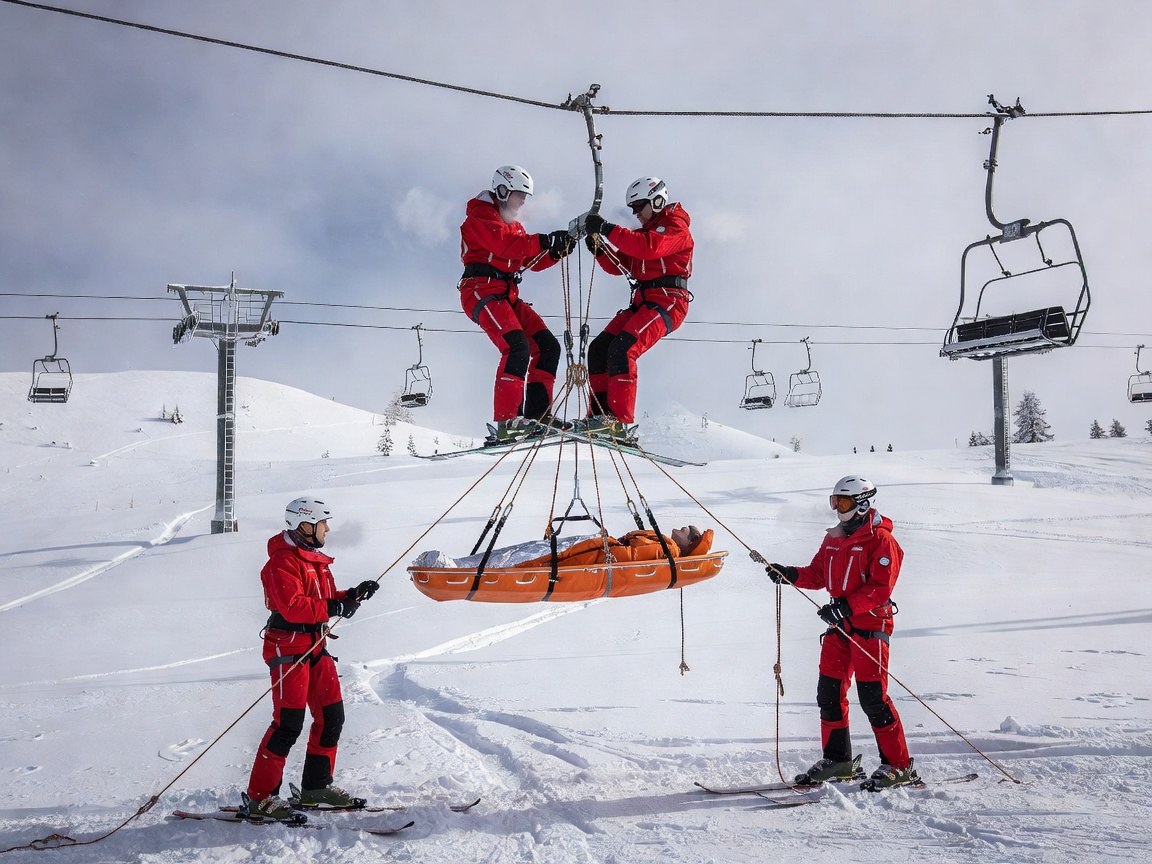
Ski patrol crew carrying out simulated ropeway passenger evacuation drill on chairlift wire
Emergency Readiness
Patrol Readiness • Simulated Scenarios

Ropeway Evacuation Drills & Radio Protocols

Regulatory authorities require realistic line-evacuation drills before public transport licenses are renewed. Patrol and lift teams must prove they can reach, harness, and lower passengers from every chair on the line within mandated statutory time windows.

These exercises also expose operational dead zones in mountain radio repeaters. Testing backup communications across deep alpine gullies before guests arrive ensures the patrol dispatcher is never flying blind during a medical emergency.

Line Evacuation Tiers Radio Repeaters Trauma Gear Staging

The 90-Day Pre-Season Transition Schedule

Managing the transition from summer mountain operations into winter readiness requires disciplined stage-gate milestones. A missed deadline in October ripples directly into opening weekend stress.

Timeline Primary Department Focus Key Deliverables Critical Risk Check
September (Days 90–60) Piste Earthworks & Ropeway Inspection Culvert clearing, seed slope cuts, haul-rope splice inspections, grease sheave batteries. Hydraulic lines checked before autumn ground freezing.
October (Days 60–30) Infrastructure & Safety Setup Tower pad delivery, catch netting installation, reservoir filling, snow gun compressor tests. Water supply pressure test before first hard frost.
November (Days 30–7) Fleet & Front-of-House Systems Groomer track tensioning, rental binding calibrations, POS pass reader firmware updates. Regulatory lift evacuation pass signed by state engineer.
Launch Week (Days 7–0) Trial Runs & Opening Protocol First track grooming, patrol trail sweeps, staff orientation, guest locker trial runs. Emergency diesel generator cutover test under full load.

End-of-Season Procedures: The Spring Teardown

Seasonal preparation works both ways. The care taken during the spring shutdown in April directly determines how much repair work will be required the following autumn. When lifts shut down for the year:

  • Store tower pads dry: Stacking wet impact foam pads in dark garages encourages mold growth and destroys velcro straps. Pads must be dried thoroughly before warehouse racking.
  • Slacken cable tensions where specified: Certain surface lifts and secondary transport lines require counterweight easing to prevent continuous tension fatigue over high summer heat cycles.
  • Depressurize and drain water manifolds: Opening all low-point drains on the mountain snowmaking network ensures stagnant silt does not settle and solidify inside expensive ball valves.

The Staff Onboarding Hurdle

Almost 70% of seasonal frontline lift attendants, rental techs, and ticket hosts are new each winter. Never assume past experience translates directly to your specific base station layout. Running full-day "dry run" simulations where staff roleplay difficult customer interactions, stuck RFID passes, and emergency gate-stop routines builds the muscle memory needed for smooth weekend operations.

Planning your pre-season workflow?

Our operations team can share field-tested templates for lift tower pad staging, slope hazard surveys, and team evacuation drill documentation.