Engineering Protocols • Infrastructure

Preventative Maintenance & Alpine Systems

In high-altitude environments, maintenance that happens reactively is already a failure. Freezing temperatures turn minor air-compressor condensation into ruptured valves, and unchecked rope vibration accelerates fatigue right at the tower roller batteries.

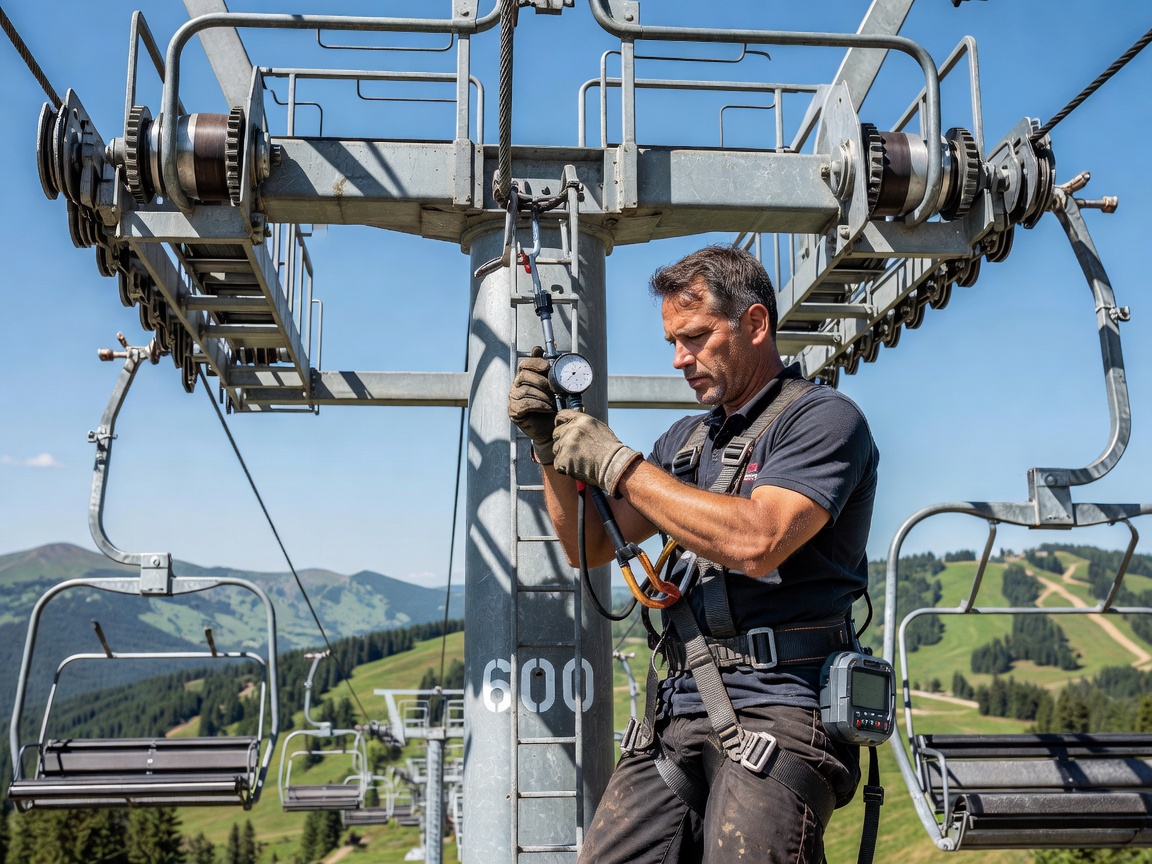
Resort ropeway technician harnessed to a chairlift tower roller battery checking bearing play
Ropeway Engineering
Aerial Tramways & Lifts • Weekly & Monthly Cycles

Ropeway Sheave Batteries & Grip NDT

Detachable chairlift grips execute thousands of open-and-close cycles daily inside terminal guides. Non-destructive testing (magnetic particle inspection and ultrasound) of grip jaws, clamp springs, and axle pins must occur on rigid rotation schedules.

Out on the line, sheave battery rubber liners require constant groove-depth gauging. An eccentric sheave wear pattern indicates haul-rope misalignment or uneven track rope tension, which, if ignored, will cause premature rope strand wear and excessive motor draw.

Magnetic Particle Testing Grip Spring Fatigue Liner Wear Gauging
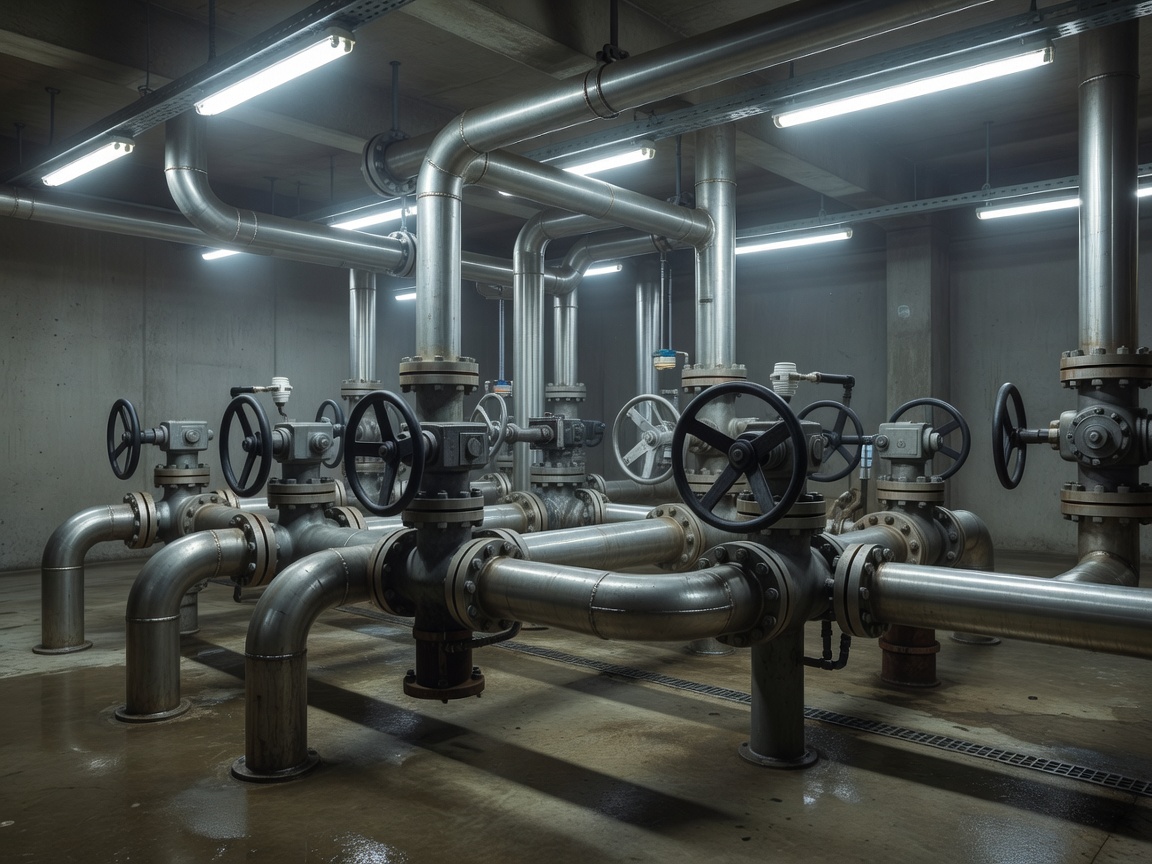
High pressure water pump station manifold and compressor valves inside resort reservoir station
Hydraulics & Pressure
Snowmaking Infrastructure • Compressors & Pipe Networks

High-Pressure Water Stations & Air Lines

Snowmaking pump stations operate between 40 and 100 bar. A valve rupture at that pressure isn't just an equipment failure—it's catastrophic for the machine room and will erode slope subgrades in minutes.

Air separation systems and high-pressure manifold drainbacks must be tested before autumn frost penetrates the upper mountain. Water left sitting in underground hydrant risers due to a sticking ball valve will crack expensive ductile iron castings the moment temperatures drop below -8°C.

Hydrant Bleed-Off Manifold Pressure Audits Intake Screen Cleaning
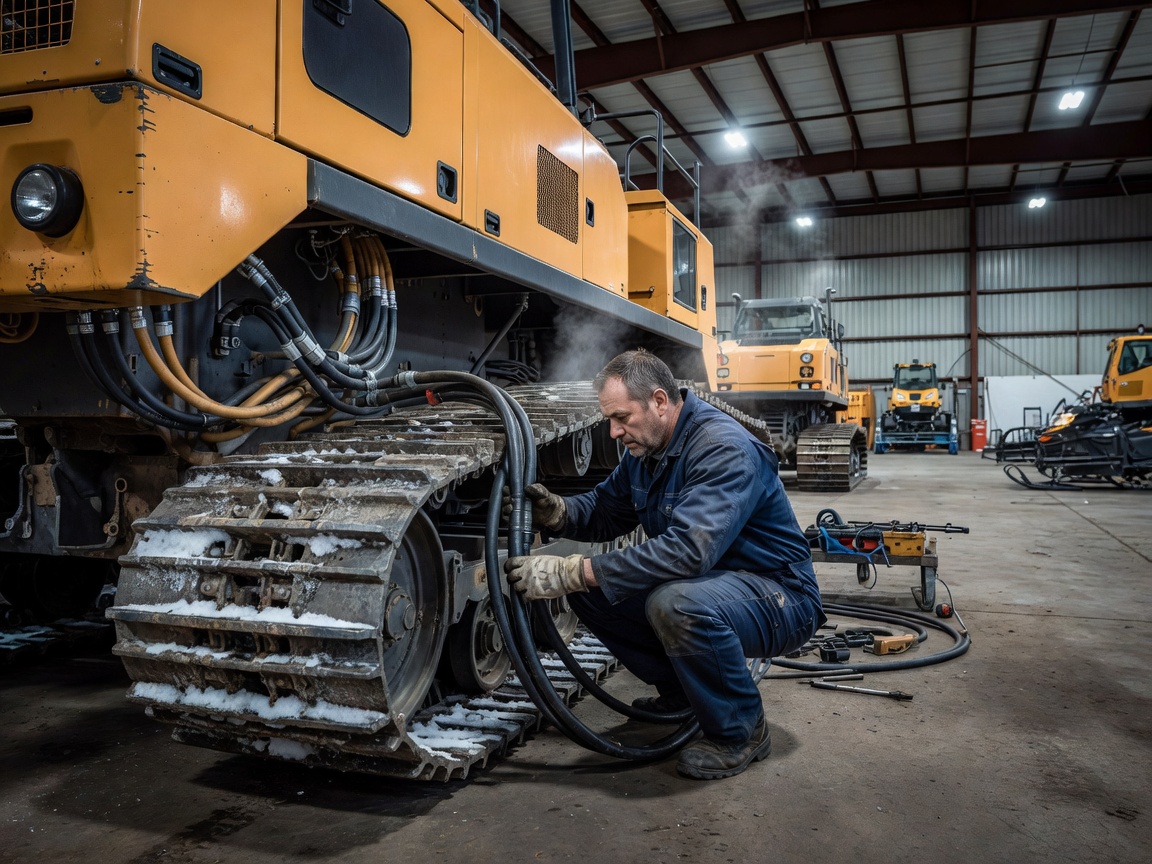
Mechanic in resort vehicle depot checking hydraulic hoses on heavy snowcat track machine
Fleet Maintenance
Tracked Machinery • Hydraulics & Winch Cables

Piste Groomer Hydraulics & Winch Systems

Modern snowcats are hydrostatic monsters. Pushing heavy snow walls on 45-degree pitches strains variable displacement hydraulic pumps and final drives to their thermal limits. Hydraulic oil sampling every 250 engine hours prevents catastrophic pump seizing.

Winch-assisted groomers require dedicated rope inspection protocols. Winch ropes carrying ten-ton loads can develop interior strand friction breaks that aren’t visible on the exterior sheath. Using electromagnetic rope testing meters every 100 winch hours is essential for operator safety.

Spectrographic Oil Analysis Winch Rope Inspection Track Cleat Torque

Emergency Versus Scheduled Maintenance Cycles

There is an old saying among lift mechanics: "Fix it in July, or it will fix you in January." The difference in operational cost between replacing a suspect seal during autumn shutdown versus swapping it out on a frozen tower mast in a gale-force blizzard is easily fivefold.

The Three Tiers of Operational Prioritisation

Resort maintenance leads should categorize work orders across three strict operational bands:

  • Tier 1 — Safety & Legal Stoppages: Any condition that violates ropeway safety thresholds (emergency stop loop resistance, grip slippage sensors, anemometer telemetry drops). Action: Immediate shutdown until clearance.
  • Tier 2 — Redundancy Degradation: The resort continues running, but backup auxiliary motors, secondary generator transfer switches, or redundant hydraulic pumps are offline. Action: Priority repair within a single shift.
  • Tier 3 — Scheduled Wear Cycling: Normal scheduled component swaps: track cleat hardware, cabin seat upholstery, ticket gate optic cleaning. Action: Programmed within the standard maintenance window.

Digital Maintenance Documentation

Scraps of grease-stained paper left on a clipboard inside a motor station room are an invitation for regulatory fines. Modern European ropeway directives require auditable component tracking. Every sheave liner swap, torque bolt replacement, and oil filter change should be logged against the specific station node with date, technician signature, and torque verification.

Operational Trade-Offs: Internal Workshops vs Outsourced Contractors

Every resort operator faces the dilemma of what to keep in-house. While routine oil changes, track adjustments, and basic sheave liner replacements are well suited to permanent resort mechanics, high-complexity tasks like haul-rope splicing, gearbox rebuilds, and automated PLCs require factory-certified field technicians.

Trying to perform complex rope splices internally without seasoned riggers risks uneven core lay and high-speed vibration pulses that damage terminal machinery. Develop reliable retainer agreements with specialist contractors before November arrives.
Need guidance on maintenance scheduling?

Our operational desk can help you evaluate scheduled maintenance intervals, hydraulic diagnostic routines, and technical documentation workflows.