Guest Infrastructure • Frontline Coordination

Resort Facilities & Service Engineering

A ski resort is only as smooth as its pinch points. Heated locker depots that smell fresh at 17:00, ticketing portals that don’t crash when early powder hits, and clear operational messaging when high ridge winds pause the upper peak gondola.

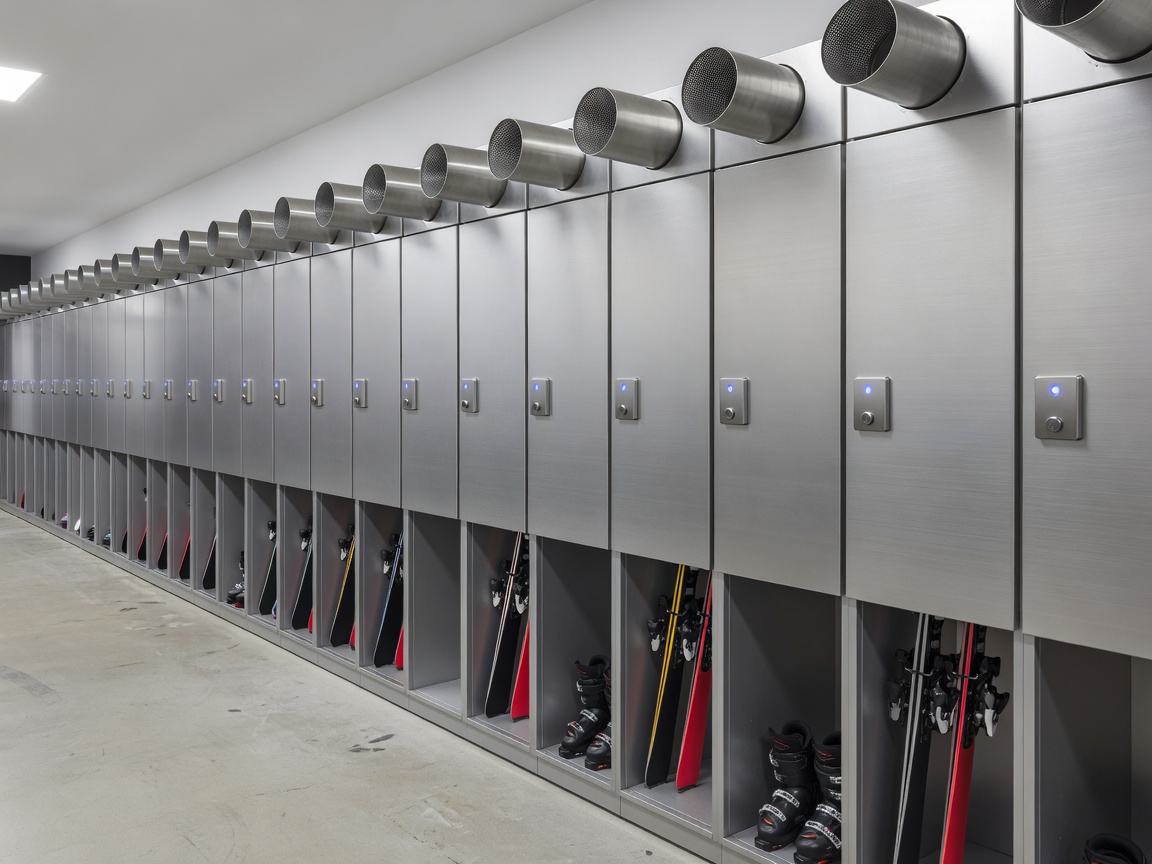
Row of secure electronic ski locker cabinets with ambient air drying ducts
Depot Engineering
Guest Depots • HVAC & Locker Logistics

Ski Depot HVAC, Air Changes & Drainage

When five hundred skiers walk through a locker building with snow-covered boots, they introduce hundreds of liters of water and substantial heat. Standard building HVAC systems will succumb to intense humidity, resulting in damp boots and foul condensation.

Operational depots need dedicated air extraction systems delivering at least 8 to 12 air changes per hour, combined with sub-floor heated drainage channels that channel melted slush directly to grit separators before reaching municipal lines.

Sub-Floor Grit Traps Targeted Locker Exhaust RFID Electronic Access
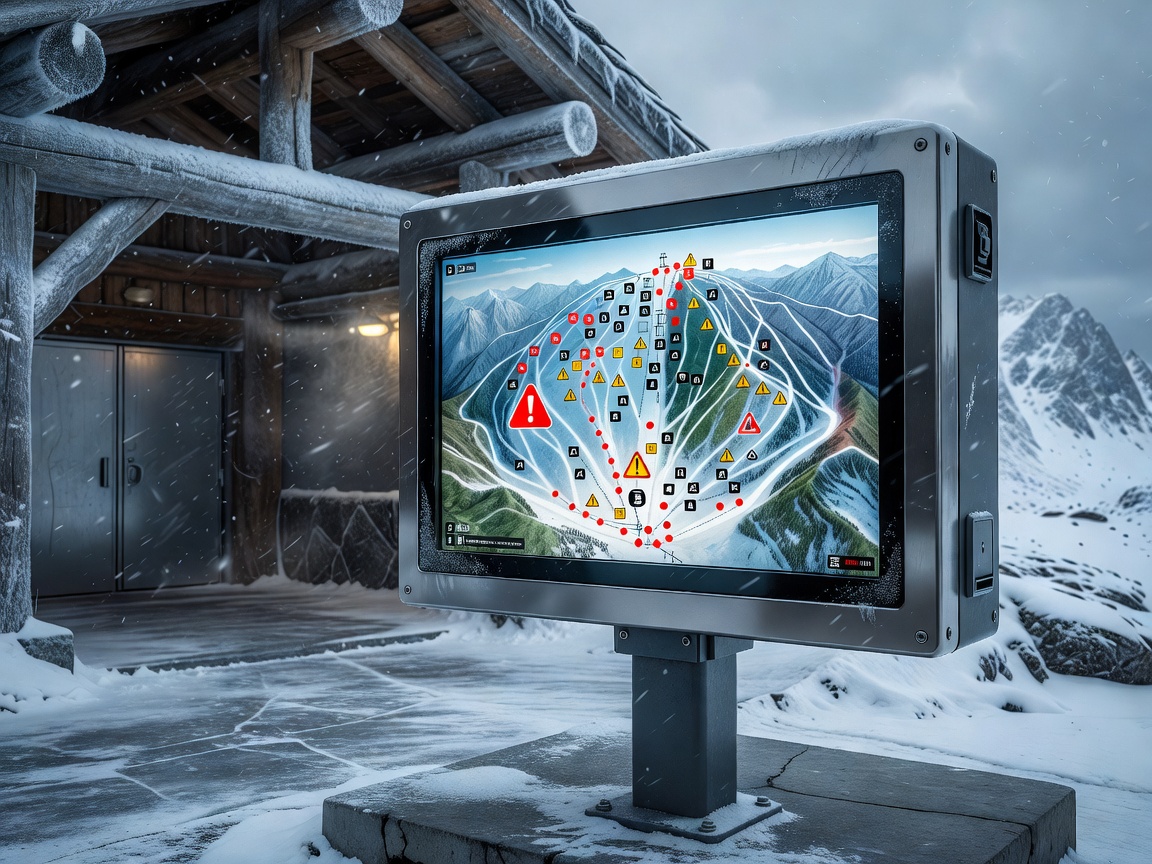
Digital trail and lift status monitor showing live weather warnings at mountain station entrance
Crisis Comms
Operational Communication • Wind Holds & Closures

Weather Holds & Cross-Department Cascades

When wind speeds on a high ridge exceed 70 km/h, the lift director shuts down the upper gondola. If that decision isn’t broadcast instantaneously to valley ticket windows, parking marshals, and the ski school dispatch within 120 seconds, guest chaos follows.

Implementing unified digital status cascades updates the resort mobile app, trail status screens, website headers, and ticket sales gates from a single master control switch, eliminating contradictory staff guidance.

Unified Status Bus Valley Holding Plans Ticket Gate Interlocks
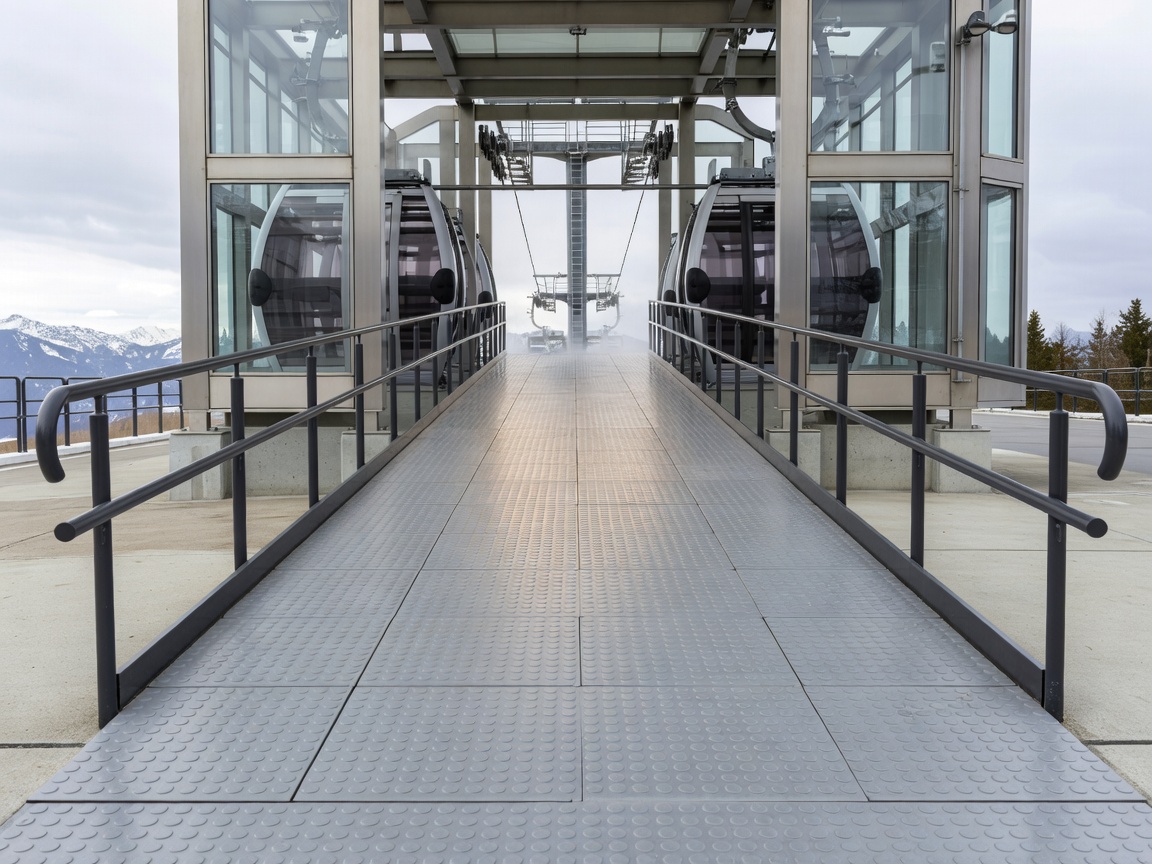
Step-free barrier-free entrance ramp to gondola base station with non-slip heated rubber mats
Accessibility & Flow
Inclusive Mountain Design • Adaptive Skiers & Pedestrians

Accessible Corridors & Non-Skier Mountain Flow

Modern resorts host substantial numbers of non-skiing sightseers, adaptive sit-skiers, and families with prams. Mixing fast-moving skiers returning from runs with pedestrians in smooth-soled street shoes on an icy concourse causes avoidable slip-and-fall injuries.

Segregating pedestrian transit channels with heated anti-slip rubber surfacing, step-free elevator access directly to gondola platforms, and dedicated loading slowing zones ensures safety without disrupting high-volume skier throughput.

Adaptive Sit-Ski Clearance Heated Anti-Slip Ramps Pedestrian Segregation

Inter-Departmental Synchronization: The Secret to High Guest Scores

Resorts often organize into rigid silos: ropeway maintenance, grooming, rental retail, ski school, food and beverage, and ticket operations. When these silos operate independently, the guest experience suffers immediately.

The Three Daily Operational Handshakes

Smooth resort operation relies on three disciplined communication checkpoints every single operating day:

  • 06:45 Mountain Ops Brief: Snowmaking leads, grooming supervisors, avalanche control directors, and lift maintenance chiefs review line checks and trail openings. By 07:15, a preliminary trail report is locked.
  • 08:15 Frontline Handoff: Lift attendants, ticket desk managers, and rental leads confirm current status, expected arrival bus surges, and early wind advisories before guest boarding starts.
  • 16:45 Sweep & Debrief: Ski patrol sweeps the mountain, verifying all skiers are down. Lift mechanics log any aberrant drive vibrations or sensor glitches encountered during the day, creating the overnight repair schedule.

Managing RFID Turnstile Throughput

Turnstile delays at base station gondolas are rarely caused by computer lag; they are caused by user error—passes placed next to metal foil, mobile phones blocking signals, or children holding cards at incorrect heights. Placing clear visual floor markers and staff "greeters" with mobile handheld scanners ten meters ahead of the turnstiles boosts boarding flow by up to 25% during peak Saturday morning rushes.

Practical Service Performance Matrix

Service Area Common Failure Mode Preventative Operational Fix
Locker Depots Excess slush accumulation, high odor, wet gloves next morning. Sub-floor sump pumps with grease/grit filters; continuous 38°C exhaust ducts.
Lift Terminals Slippery icy ramps at chair discharge; panicked guest falls. Perforated industrial rubber mats cleared of loose powder every 45 minutes.
Weather Hold Stoppages Angry crowds clustering at base lift gates without instructions. Automated audio PA announcements, clear valley shuttle diversions, hospitality vouchers.
Restroom Facilities Frozen water supply lines during sub-zero cold snaps. Trace-heating electrical tape on all external wall pipe cavities with breaker alarms.

Looking to optimize guest base facilities?

Reach out to our operations team for facility ventilation benchmarks, turnstile traffic modeling, and severe weather communication blueprints.