Operational Guide • Fleet Management

Ski & Snowboard Equipment Operations

Managing hundreds or thousands of rental sets isn’t just about having enough boots on shelves. It’s an exacting game of torque calibrations, barcode batching, moisture extraction, and knowing precisely when an edge has been stone-ground down to its last practical season.

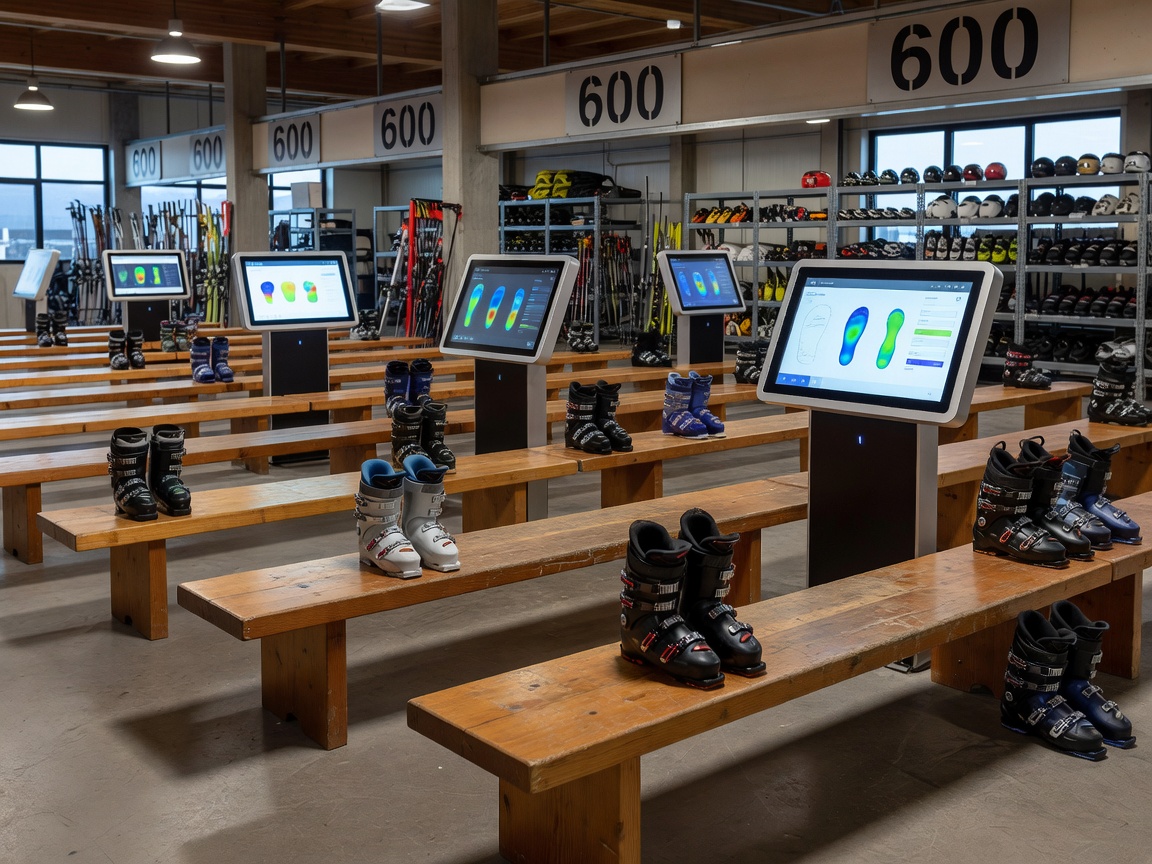
Organised ski depot boot fitting benches with digital scanner kiosks
Workflow Design
Rental Throughput • Front-of-House Systems

Rental Floor Traffic & Touchpoint Reduction

When three coach tours pull into the base station at 08:45, bottlenecks happen at boot fitting, not ski selection. Efficient setups separate boot sizing from ski handoff by at least six meters, preventing stationary crowds around the tuning counter.

We separate incoming returns from outgoing setups using dedicated roller tracks. Returned equipment gets wiped, inspected for edge fractures, scanned into the depot system, and transferred directly to the workshop queue before it ever rejoins active racks.

Queue Separation Barcode Check-In Sizing Zones
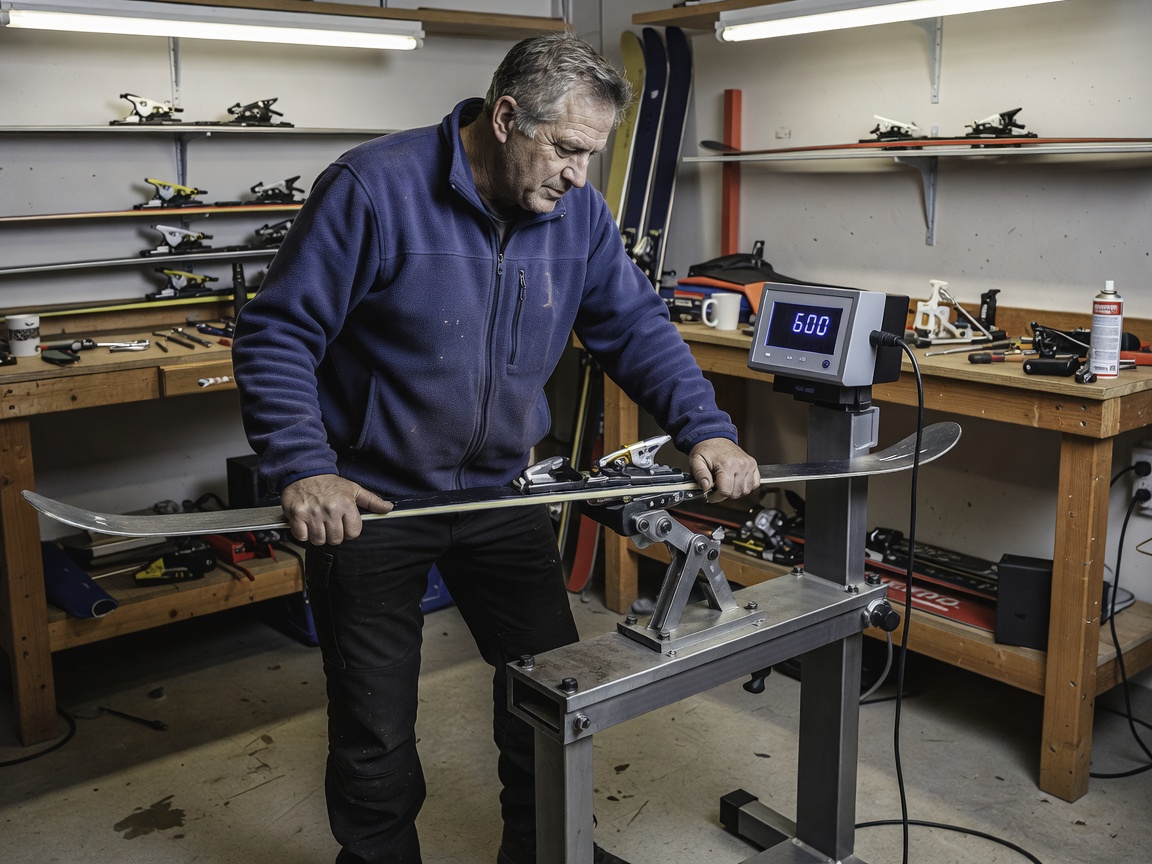
Ski workshop technician testing binding release values on an electronic test stand
Safety Compliance
ISO 11088 / DIN • Legal Binding Verifications

Binding Calibrations & Testing Cycles

Every rental ski must clear automated electronic release testing before entering the season, with randomized batch sampling conducted every twenty rental days. Visual checks aren’t enough—spring fatigue and heel-track grit will throw torque values far outside legal tolerances.

Any binding that reports a release variation greater than 15% from calculated values during test bench pulls is immediately sidelined for teardown or track replacement. Maintaining tamper-evident digital logs protects your resort when insurance claims arrive.

Electronic Release Stand Torque Audit Logs Batch Randomisation
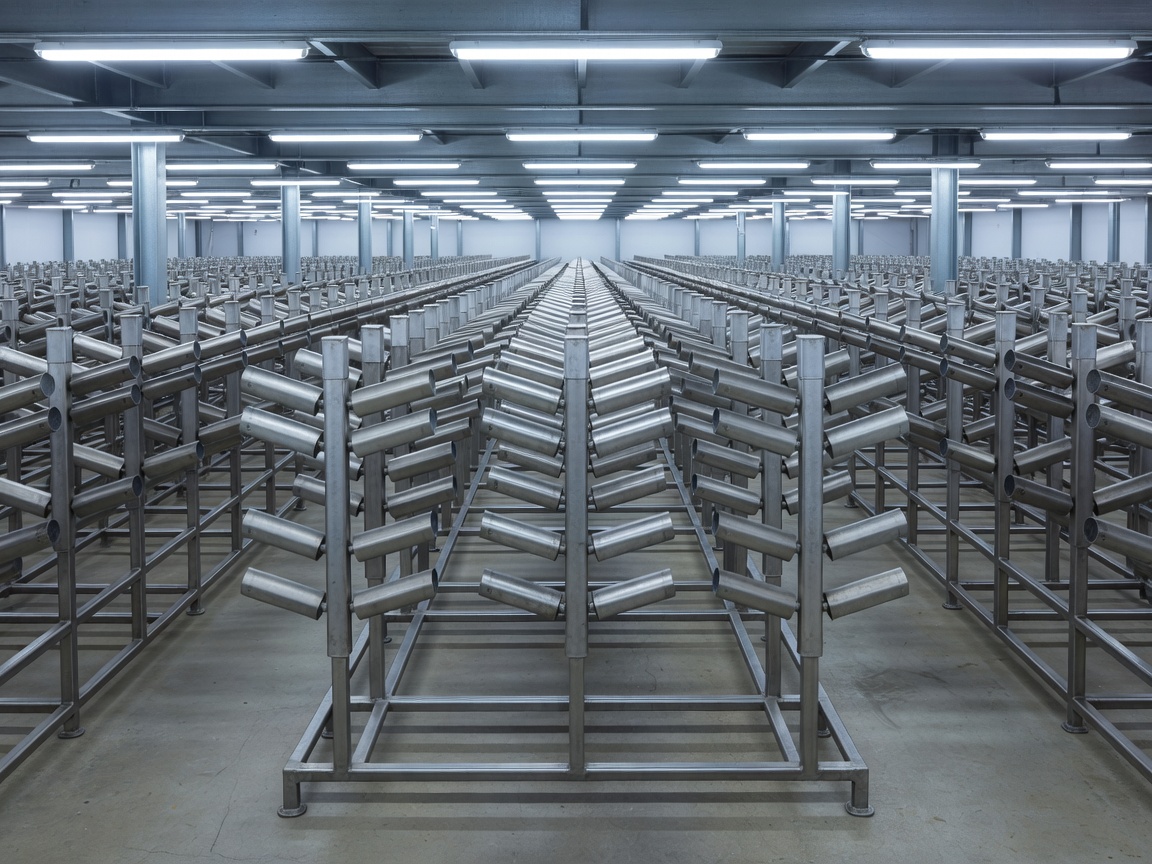
Industrial heated ski boot dryers arranged in parallel stainless steel rows
Storage Systems
Depot Facilities • Moisture & Thermal Control

High-Density Storage & Thermal Drying

Boot dryers blowing standard 45°C warm air will soften custom moldable liners over a single season, ruining their fit profile. Modern depots rely on ambient dehumidification or warm air restricted to under 38°C combined with ozone sanitisation.

For ski racks, horizontal sliding cassette systems save roughly 40% floor footprint compared to static racks. However, they require clean concrete tracks free of tracked-in volcanic cinders and gravel. Daily evening sweep routines here prevent wheel bearing binding.

Ozone Sanitisation Low-Temp Drying Sliding Cassettes

Equipment Categorisation & Retirement Criteria

Resort fleets generally divide into three functional categories: Economy (entry-level, forgiving flex, thick extruded bases), Performance (all-mountain camber, sintered bases requiring higher wax frequency), and Specialty (freeride powders, twin-tips, and touring setups).

The Base Material Trade-off

Extruded bases on economy skis hold wax poorly compared to sintered bases, but they are dramatically easier to repair with quick P-Tex weld wire. When early December conditions expose sharp alpine rock, extruded skis will keep your workshop turnaround under six minutes per pair. Save high-fluorocarbon waxes and stone-ground structured base grinds for the demo tier.

When is a Ski Officially Done?

Every pass through an automatic stone-grinding machine strips roughly 0.05mm to 0.1mm of edge and base material. While recreational skiers might tune their gear twice a winter, rental sets see the belt every four to five returns. By mid-February, high-wear rental skis can show edge thinning down to under 0.8mm.

Once edge steel drops below 0.75mm, the risk of blowouts on icy traverses increases exponentially. At that stage, trying to keep the ski in service is a false economy. It belongs in the retirement bin or downgraded for staff rock-ski duties during early-season slope inspections.

Operational Comparison: Fleet Strategy Models

Fleet Policy Primary Advantage Maintenance Overhead Typical Depreciation Cycle
3-Year Staggered Rotation Predictable capital expenditure; smooth yearly procurement. Moderate; older batches require dedicated patching time. 33% retired annually
2-Year Total Flip High guest satisfaction, minimal deep base delaminations. Low; covered under manufacturer prep guarantees. 50% retired annually
Hybrid Demo/Bulk Core Maximizes profit margin on high-end demo rentals. High; workshop must maintain specialized structure patterns. Demo: 1 Year / Core: 4 Years

Back-of-House vs Guest-Facing Equipment

It is easy to focus exclusively on paying guests, but back-of-house equipment—patrol toboggans, lift attendant safety skis, winch-cat tether recovery ropes, and radio harnesses—undergoes twice the wear. We recommend colour-coding staff gear so it doesn't accidentally mingle with commercial inventory during hectic morning sign-outs.
Weekly Equipment Workshop Checklist

  • ✓ Verify electronic binding torque tester against calibration gauge
  • ✓ Empty stone-grinder emulsion filter tank and replenish coolant
  • ✓ Inspect boot rack ozone generators for spark gap oxidation
  • ✓ Measure heel-lug wear on rental boots using thickness calipers
  • ✓ Check pole rack inventory and replace fractured carbide tips
  • ✓ Scan shelf discrepancy logs to flag missing or misfiled barcodes

Refining your workshop flow?

Talk to our technical logistics desk about equipment turnover audits, automated wax bench exhaust systems, and barcode storage designs.